ARX Perspective
Planning a Gigawatt-Scale Campus
The long-term vision establishes the scale. A well-defined phase establishes what a customer can actually use.

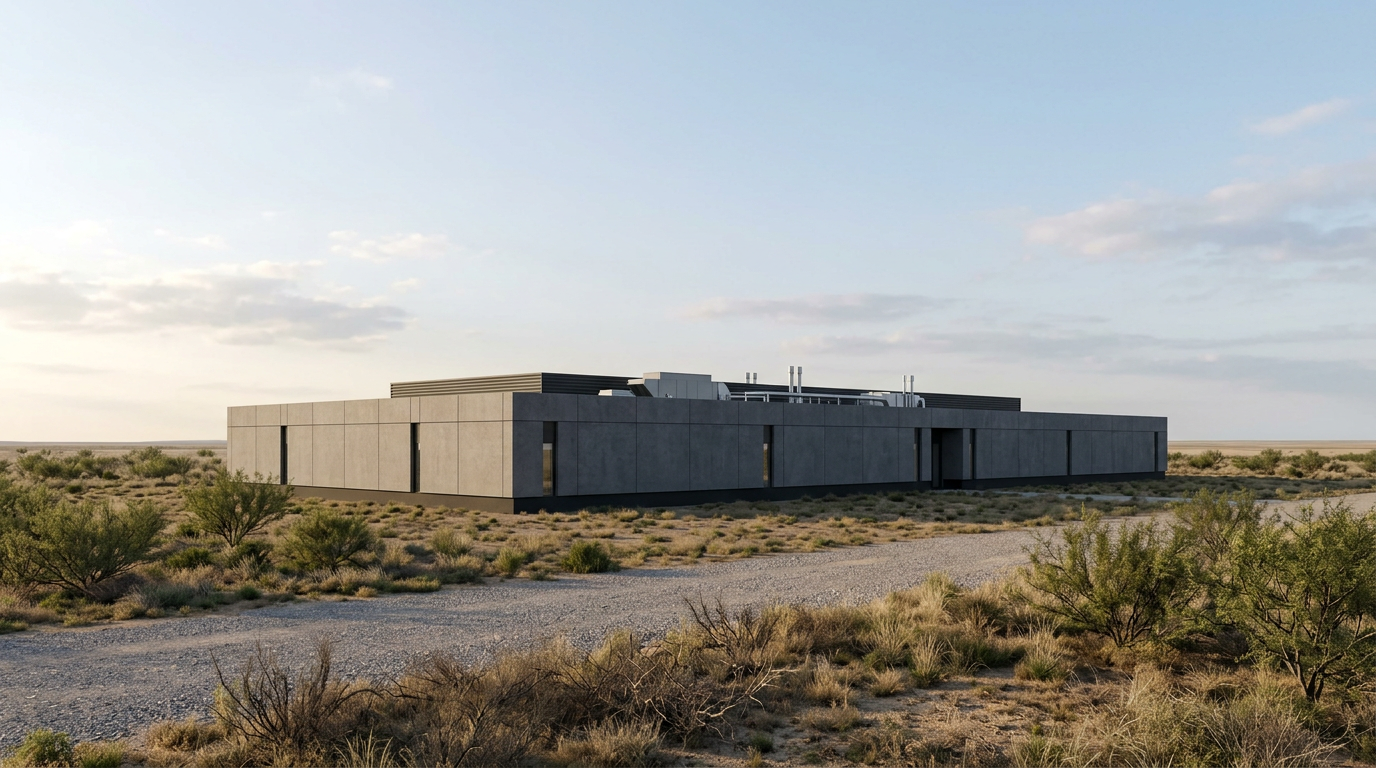
Illustrative image.
A gigawatt-scale campus is a long-term infrastructure program. Its value depends on how effectively the development plan connects energy, land, buildings, cooling, connectivity, and operating capability to customer demand.
The first question is not simply how large the campus could become. It is what the first usable deployment requires, how it will be delivered, and which conditions must be satisfied before the next phase can follow.
Define the capacity basis.
Campus power figures can refer to different things. Installed generation, utility supply, total facility demand, and critical IT load describe different boundaries. Redundant equipment may also be included in a nameplate total even though it does not increase the normal usable customer load.
An effective technical discussion identifies the measurement point, operating assumptions, redundancy basis, and conditions associated with the figure. That makes the relationship between campus potential and customer capacity easier to assess.
Plan the shared infrastructure before the interfaces become constraints.
Roads, utility corridors, network entrances, maintenance access, and common infrastructure can influence several phases at once. Early planning should consider how these elements support the initial deployment and what will be required as the campus expands.
The goal is a coherent development sequence. A later phase should have a defined relationship to the infrastructure already built and to the areas that may be operating.
Treat each phase as its own delivery scope.
A phase should identify the customer load, physical environment, delivery responsibilities, required approvals, acceptance conditions, and operating arrangements. The schedule should reflect the dependencies that actually control readiness.
Future phases may remain conceptual while an initial scope becomes more defined. Communicating that difference allows a customer to evaluate both the immediate requirement and the longer-term opportunity.
Bring operations into the development plan.
The facility needs more than a completed building. Its operating team needs procedures, system information, training, maintenance support, and clear authority. Customers need to understand how access, work requests, incidents, and reporting will function.
Including those requirements in development helps align the physical handoff with the service expected after acceptance.
ARX's flagship Pecos development is presented through this campus-scale perspective: a gigawatt-scale vision supported by phase-specific technical and commercial discussions.