
Campus infrastructure
Power, cooling, and connectivity planned as one system.
A customer deployment depends on the way its infrastructure works together. ARX coordinates the electrical, thermal, network, security, and operating interfaces required for each facility phase.
Power
Power matched to the load and the operating plan.
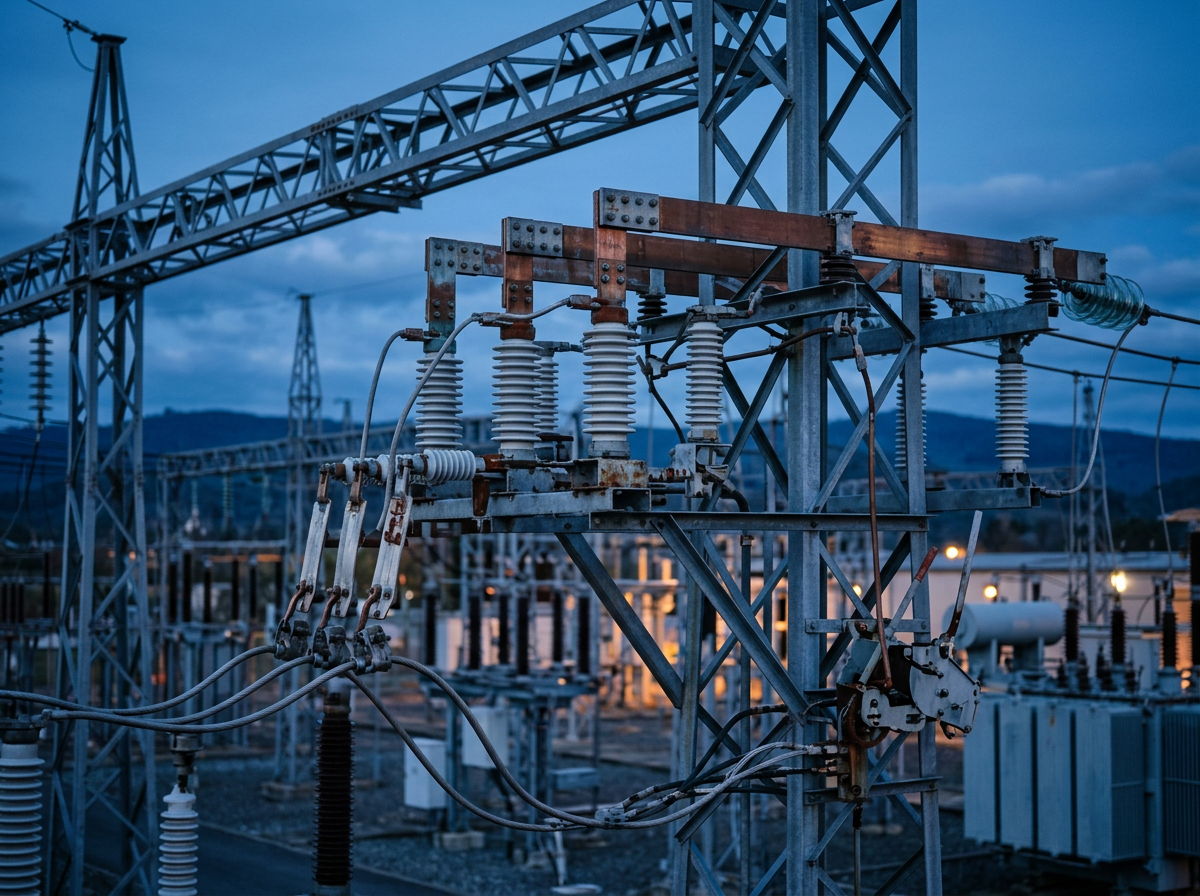
Power planning begins with the actual load: its size, growth, electrical characteristics, and response to changing operating conditions. The campus strategy then considers supply, distribution, protection, resilience, maintenance, and the interfaces needed for each phase.
- Generation capacity
- describes power production.
- Facility demand
- includes IT and supporting infrastructure.
- Contracted IT capacity
- describes the usable load at the agreed customer boundary.
These figures are not interchangeable.
Cooling
Cooling defined by the equipment's thermal envelope.
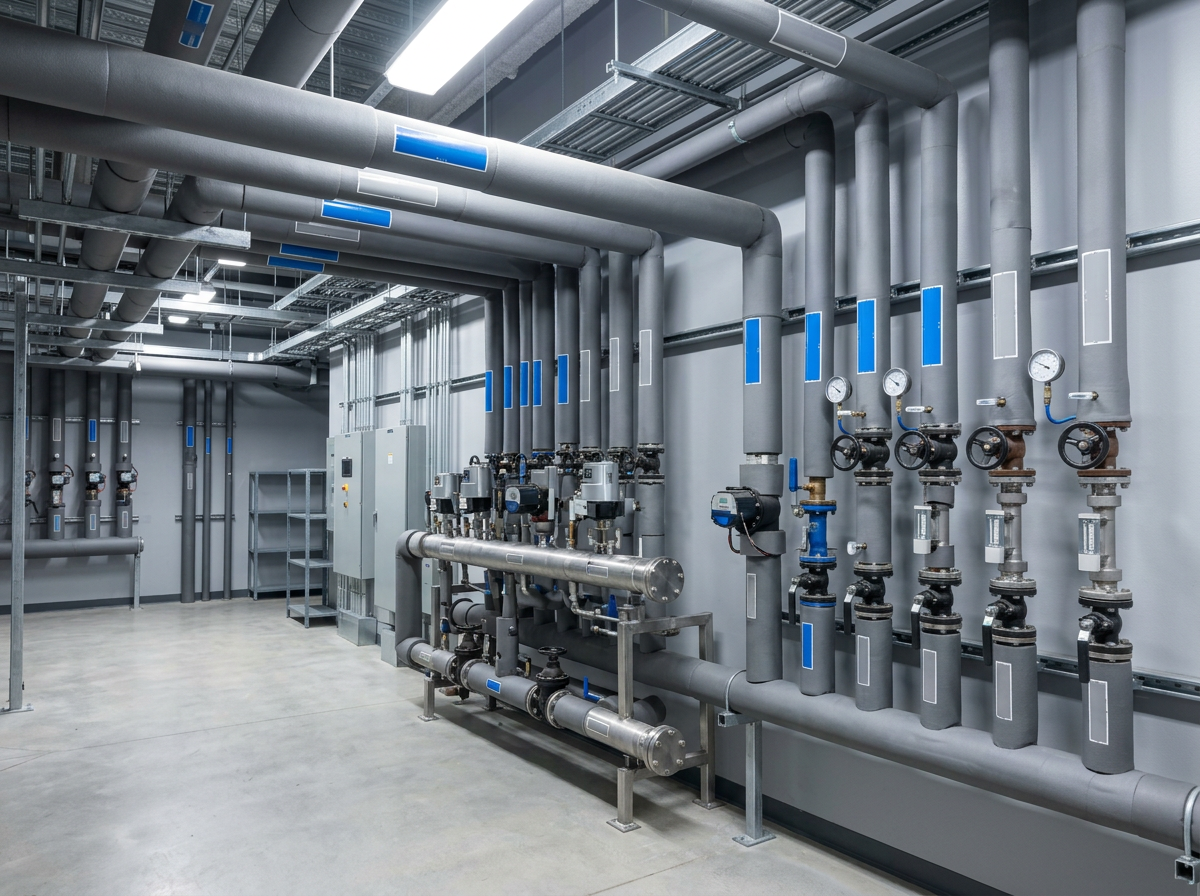
The right cooling architecture depends on the hardware, density, air and liquid heat split, site conditions, and maintenance requirements. Liquid-capable infrastructure should be described through actual temperatures, flow, pressure, fluid quality, and connection responsibilities.
Heat rejection is a separate design question. Dry, evaporative, and hybrid approaches have different implications for water, power, performance, and operating conditions. Each campus phase has its own engineering basis.
Connectivity
Connectivity with clear physical and service boundaries.
Network planning covers physical fiber routes, campus entry points, meet-me infrastructure, carrier services, and the customer environment. Different carriers do not automatically establish physically diverse routes; resilience must be evaluated through the actual paths and failure conditions.
The customer-owned cluster fabric remains distinct from external connectivity and campus services. Each interface, and the parties responsible for providing, testing, and supporting it, is defined in the project scope.
Security
Security as a facility operating requirement.
Physical access, visitor processes, work authorization, monitoring access, and customer separation belong in the facility brief. Each program identifies who can enter, who can authorize work, what activity is recorded, and how exceptions are handled.
Acceptance
Commissioning and acceptance connect design to service.
A deployment requires more than equipment installation. Testing, documentation, procedures, training, service access, and responsible personnel must be ready for the agreed handoff.
Delivery planning connects approvals, equipment lead times, construction interfaces, commissioning, and customer readiness to the proposed phase.
ARX's development approach brings these requirements into the project so that the accepted scope and the operating plan describe the same facility.
Plan your next deployment with ARX.
Tell us which campus interests you, the scale you are considering, and your target timing.
Or email info@arxdatacenters.com