ARX Perspective
Choosing a Data Center Delivery Model
The most useful comparison starts with what your organization wants to control and what it wants the facility provider to deliver.
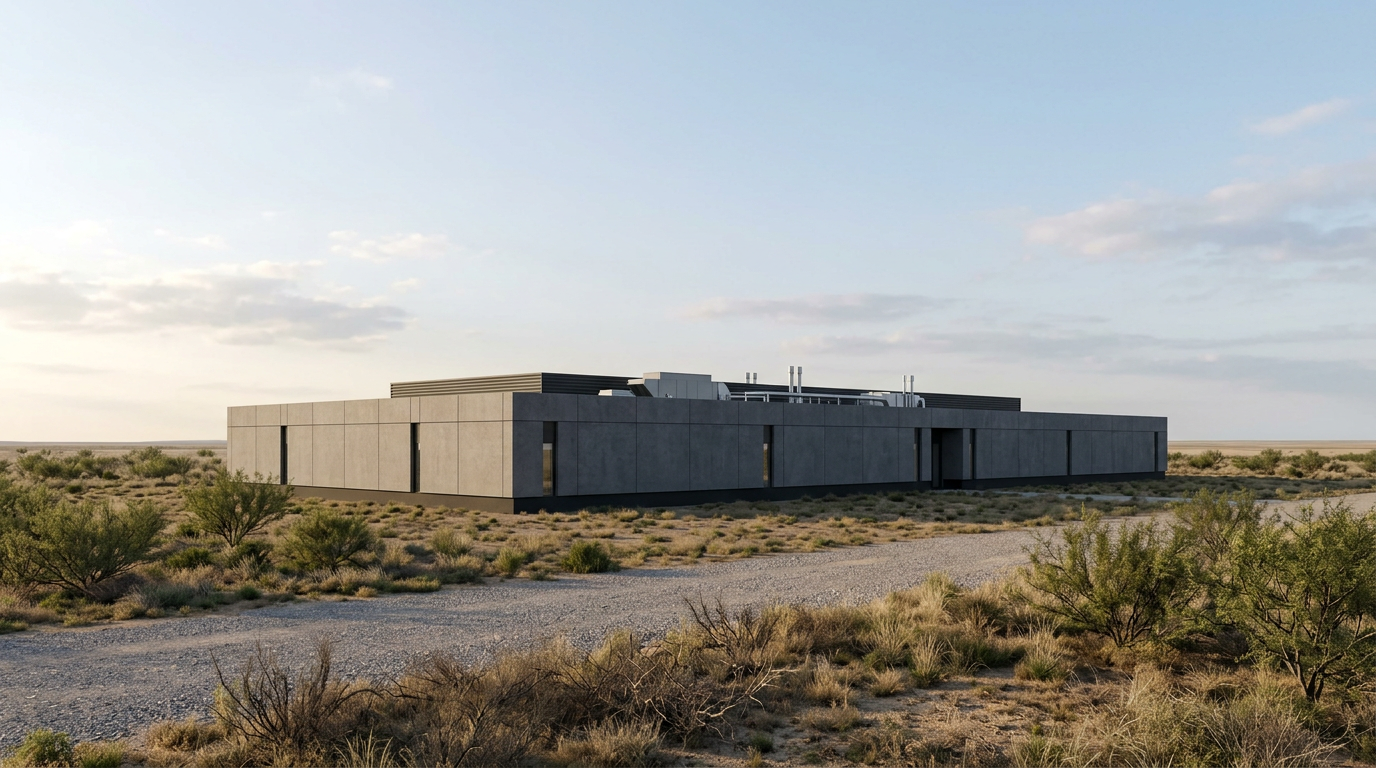
Illustrative image.
Two proposals can use the same product name and still hand over very different facilities. Comparing delivery models therefore requires more than selecting a label. It requires understanding the physical condition, infrastructure interfaces, remaining work, and operating responsibilities included in the proposed scope.
Turnkey colocation centers on an operated service.
In a turnkey colocation model, the customer is seeking an environment with defined facility services around its equipment. The scope should identify space, power, cooling, security, connectivity interfaces, and ongoing facility operations.
Customer-owned hardware, software, workloads, and cluster networks remain separate unless specifically included. Remote hands and other support activities should also be described through their actual scope.
Powered shell centers on the fit-out boundary.
A shell model provides a building and agreed infrastructure provisions while leaving specified work to the customer. The comparison should focus on what is installed, energized, tested, and maintained at handoff.
Electrical and mechanical completion levels can differ substantially. A good interface schedule makes the remaining customer work visible before design and procurement decisions are made.
Powered land centers on development responsibility.
A land model can provide a campus position with defined infrastructure and access arrangements. The customer generally takes a larger role in delivering its facility.
The key questions concern property rights, enabling works, utility interfaces, power commitments, construction coordination, and the ongoing obligations associated with the campus.
Build-to-suit describes the development process.
Build-to-suit is a way to shape a project around a customer brief. It does not, by itself, determine whether the result is a shell, a turnkey service, an owned asset, or a leased facility.
The project agreements establish that outcome and allocate design, delivery, acceptance, and operating responsibilities.
Compare the same boundaries.
A practical comparison should use the same initial load, future phases, equipment requirements, and operating assumptions. Then compare the remaining customer work, capital obligations, schedule dependencies, and ongoing service scope.
That approach reveals the tradeoffs more clearly than a product name or an isolated price.